
Services
Our Products
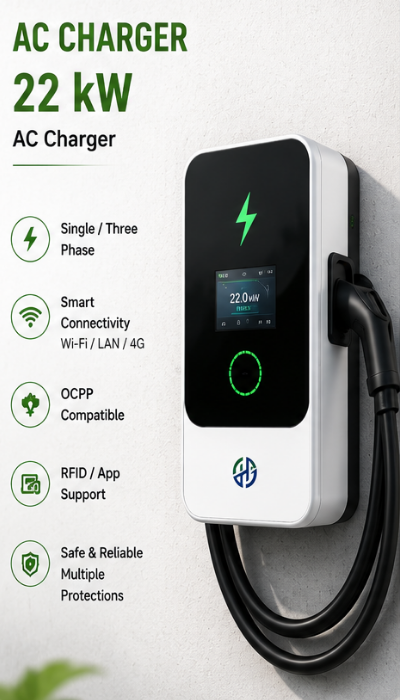
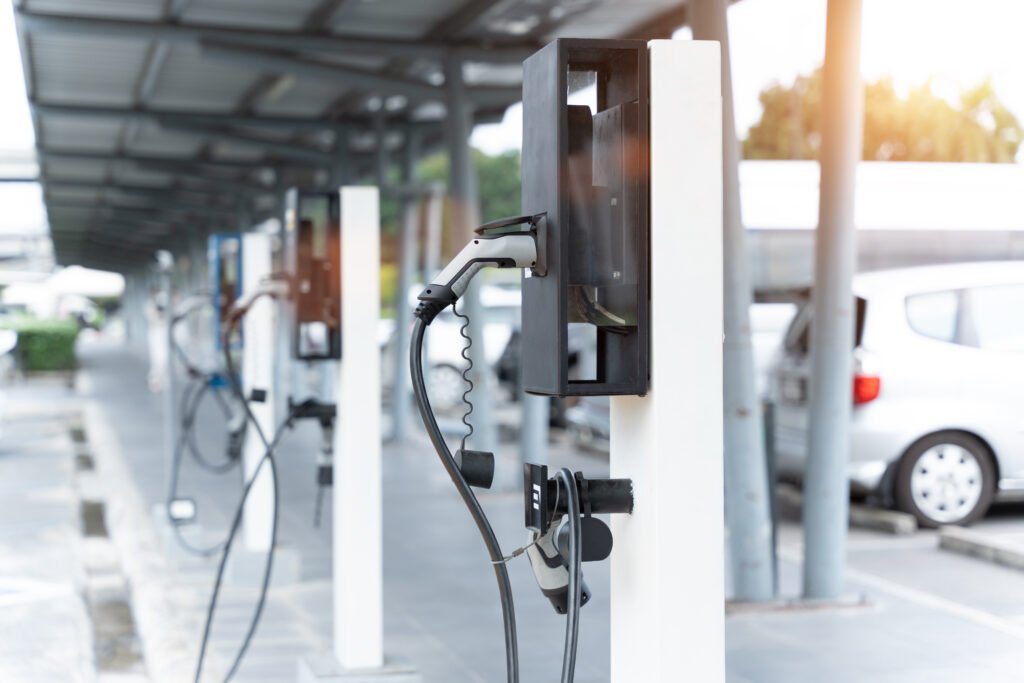
AC EV Chargers
Designed for homes, offices, apartments, and commercial parking.
- 3.3 kW
- 7.4 kW
- 11 kW
- 22 kW
- Residential Charging
- Corporate Offices
- Apartments & Housing Societies
- Hotels
- Shopping Malls
- Commercial Buildings
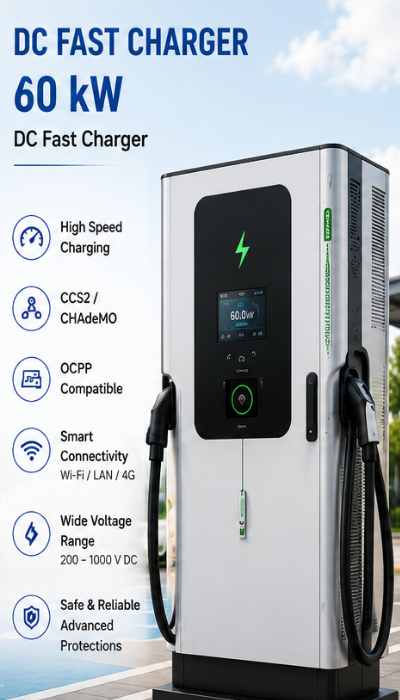
DC Fast Chargers
High-speed charging solutions for public and commercial infrastructure.
- 20 kW
- 30 kW
- 40 kW
- 60 kW
- 120 kW
- 240 kW
- Up to 720 kW (custom solutions)
- Public Charging Stations
- Highway Charging
- Fleet Operators
- Bus Depots
- Commercial EV Hubs
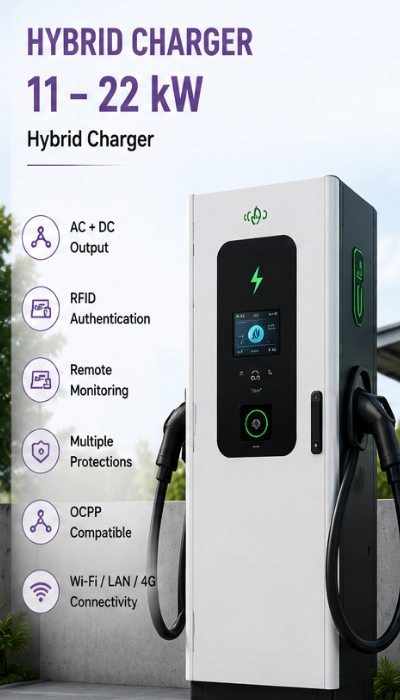
Hybrid Chargers
Smart charging solutions offering flexibility with intelligent energy management. Available in multiple capacities from 3.3 kW to 22 kW with advanced connectivity and user authentication.
Features
- Wi-Fi
- LAN
- 4G
- OCPP Compatible
- RFID Authentication
- QR Code Charging
- Mobile App Support
- Remote Monitoring
- Over Voltage Protection
- Under Voltage Protection
- Overload Protection
- Short Circuit Protection
- Current Leakage Protection
- Ground Fault Protection
- Surge Protection
- Emergency Stop Button
- IP55 Rated Enclosure
- IK08 / IK10 Mechanical Protection
- Flame Retardant Enclosure
- Indoor & Outdoor Installation
Being green is remaining clean
HYSOLWIN is Transforming The Energy Landscape With Advanced Battery Energy Storage Systems & Fast Charging
Solutions Powered By Vertically Integrated Design, IP Technology, Manufacturing, & Global Sourcing.
Frequently Asked Questions
Yes. Implementing a Battery Energy Storage System (BESS) allows you to store excess power generated during low-demand periods (or from solar panels) and deploy it during peak hours. Simple daily habits like upgrading to LED lighting, optimizing thermostat settings, and utilizing smart energy management systems to monitor consumption also drastically cut waste.
Solar panels have incredibly low maintenance costs because they have no moving parts. The primary requirement is periodic cleaning (2 to 4 times a year) to remove dust, leaves, and debris that might block sunlight. On average, residential maintenance costs range from ₹3,000 to ₹8,000 annually, primarily for professional cleaning and routine electrical inspections.
The power generated depends on the panel's wattage rating and local sunlight conditions. On average, a standard 400W–500W solar panel generates approximately 1.6 to 2 kWh (units) of electricity per day, assuming 4 to 5 hours of peak sunlight. A typical 1 kW system will generate roughly 4 units daily.
By switching to solar, you can reduce your monthly electricity bills by 60% to 90%, depending on the size of your system and your energy consumption habits. Most commercial and residential installations achieve a complete return on investment (ROI) within 3 to 5 years, leading to free electricity for the remainder of the system's 25-year lifespan.